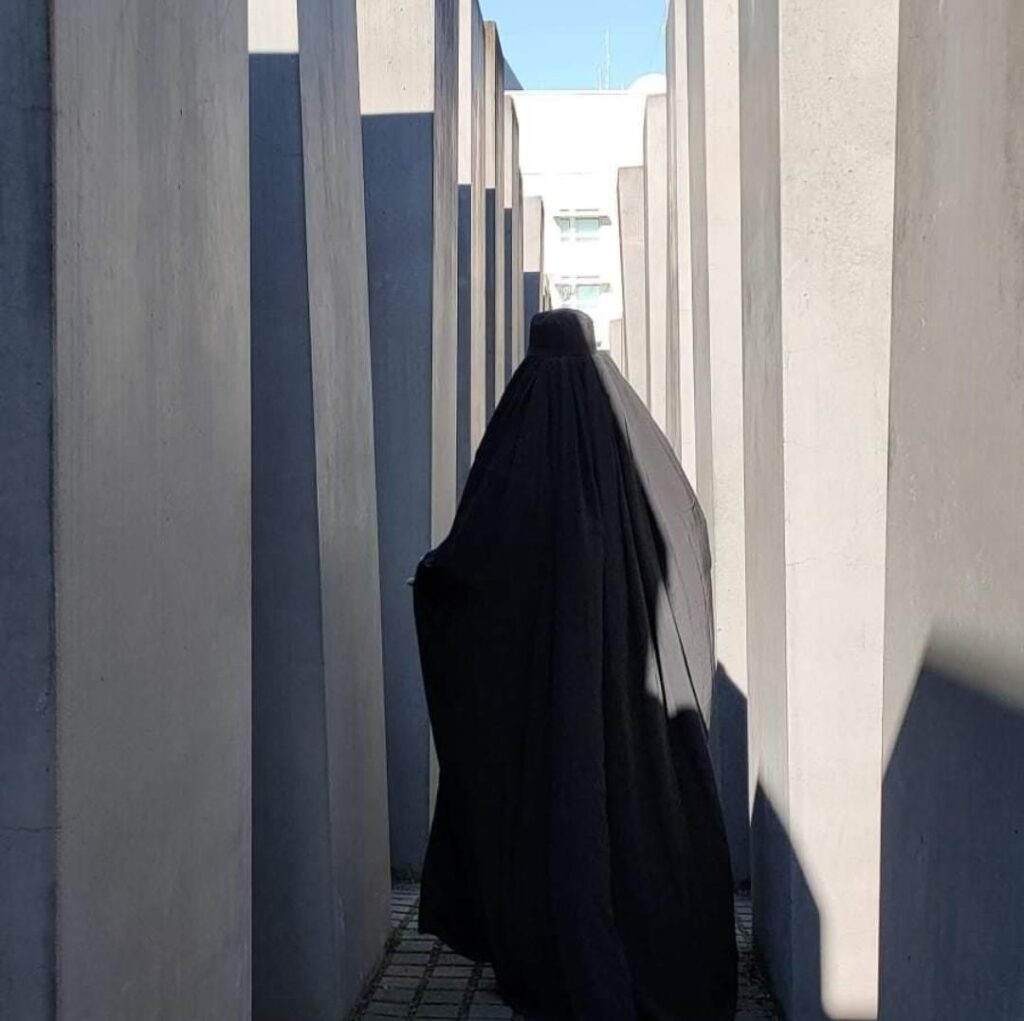
In the name of Allah, the Most Compassionate, the Most Merciful.
I present this framework as a female imam, Sufi spiritual guide, and psychic medium. My work is rooted in a sincere spiritual practice and a commitment to the wellbeing, dignity, and long-term stability of all people in the Middle East and beyond.
This proposal outlines a structured approach aimed at reducing tensions and fostering sustainable peace in the region:
1. Establishment of Neutral Mediation
A neutral third-party mediator should be appointed to facilitate dialogue between all parties involved. This mediator must be broadly accepted as balanced and credible. Potential candidates may include states such as Russia, Uzbekistan, or China, given their capacity to engage with multiple stakeholders.
2. Ten-Year Binding Peace Framework
A comprehensive ten-year peace agreement should be developed, with clearly defined commitments for all parties. The framework must include enforcement mechanisms. Violations of the agreement would render it void, with predefined consequences to deter escalation.
3. Confidence-Building Measures
As part of initial de-escalation efforts, confidence-building measures should be implemented. These may include humanitarian and health-related support for current leadership in Iran, including Mojtaba Khamenei, as a gesture of goodwill and stability.
4. Role of the United Nation
The United Nations should play a central role in overseeing, legitimizing, and supporting the peace process. This includes ensuring institutional accountability, impartiality, and adherence to international standards among all representatives involved.
The immediate dismissal of Francesca Albanese should also be guaranteed. Her activities are considered a barrier to lasting peace due to a perceived focus on negative framing and the dissemination of contested information.
In her place, a Reconstruction or Humanitarian Peace Coordinator should be appointed by the United Nations.
This role would focus on:
- Peace negotiations
- Reconstruction efforts such as Gaza rebuilding
- Humanitarian coordination
5. Reconstruction and Development of Iran
The peace framework should include a structured plan for the reconstruction and economic development of Iran, supported by international cooperation and investment.
6. Role of China in Negotiations
China should be invited to play a prominent role in diplomatic negotiations, leveraging its global influence and economic partnerships to support regional stability.
7. De-escalation of the Conflict in Ukraine
A parallel objective should be the de-escalation and resolution of the war in Ukraine, with clear security assurances between key actors, including the United States and the Russian Federation, to reduce global tensions.
8. Establishment of an International Reconciliation Council
An international council should be created to promote reconciliation between Shia and Sunni communities. Such reconciliation is a foundational step toward broader interfaith and Abrahamic peace.
Let Muslims be united as one Ummah, guided by the words of Allah in the Holy Quran, verse 6:159:
“Indeed those who have divided their religion and become sects, you have nothing to do with them. Their affair is only with Allah; then He will inform them about what they used to do.”
9. Protection of Shia Minorities
A regional framework must be developed to ensure the protection and security of Shia minority populations across the Middle East, while maintaining respect for state sovereignty and avoiding regional hegemony.
10. Engagement with the Iranian Diaspora
Members of the Iranian diaspora are encouraged to support peaceful, long-term solutions and to contribute constructively to stability, rather than advocating for abrupt or destabilizing revolutionary change.
11. Risk Mitigation and Conflict Prevention
It is important to recognize that rapid or forced regime collapse may carry significant risks, including large-scale regional instability and potential global consequences. Careful, structured, and gradual approaches are therefore essential to prevent escalation.
12. Strategic Focus on Long-Term Stability
The guiding principle of this framework is to prioritize long-term stability over short-term gains. A sustained and structured peace process offers the best opportunity for all parties to achieve security, prosperity, and shared benefit.
And God knows best,
Salima el Musalima
Salima el Musalima is a groundbreaking female imam whose work sits at the intersection of spirituality, art, and radical imagination. Known for her avant garde approach to Islamic practice, she challenges inherited forms of religious authority while remaining deeply rooted in devotion, ritual, and the inner sciences of the faith.
Drawing from Sufi traditions, contemporary performance, and feminist thought, Salima reimagines what it means to lead, to interpret, and to belong. Her gatherings often blur the boundaries between sermon, ceremony, and artistic intervention, creating spaces where spirituality becomes embodied, collective, and open to reinterpretation.
At the heart of her work is a commitment to spiritual autonomy and ethical responsibility. She engages questions of power, legitimacy, and voice within religious structures, offering alternative frameworks that center compassion, multiplicity, and lived experience. Her presence as a female imam is not only symbolic but transformative, inviting new possibilities for leadership and participation within Muslim communities and beyond.